Otitis in animals: causes, symptoms, and diagnosis
Each of us has at least once encountered an unpleasant disease and all its manifestations. Unfortunately, pets suffer from otitis media much more often than humans, while also experiencing discomfort and pain. To preserve the health of a pet and protect it from complications, it is necessary to identify the pathology in time and contact a veterinary clinic. Otitis media is an inflammation of the ear. There are several types of the disease with respect to localization: otitis externa – inflammation spreads to the external auditory canals, which are located between the eardrum and the opening of the external auditory canal, otitis media – the middle ear is inflamed, namely the cavity that is located behind the eardrum, and consists of three bones that conduct sounds into the inner ear. Sometimes, in advanced stages, both the middle and outer ears can be affected simultaneously.
Causes of otitis media in animals External otitis media can be caused by several factors, which are divided into primary, predisposing and secondary. The primary ones include: ectoparasites, foreign objects in the ear cavity – plant seeds, twigs, pieces of cotton wool left after cleaning the ear canal, allergies to products or components contained in the external environment, autoimmune pathologies. Predisposing factors can change the microclimate in the ear canal, which is why the microflora inside the ear also changes. These include: structural features in certain breeds of animals, neoplasms inside the hearing aid, incorrectly selected medications during treatment, water entering the ears during frequent bathing of pets, and an innate predisposition to the disease.
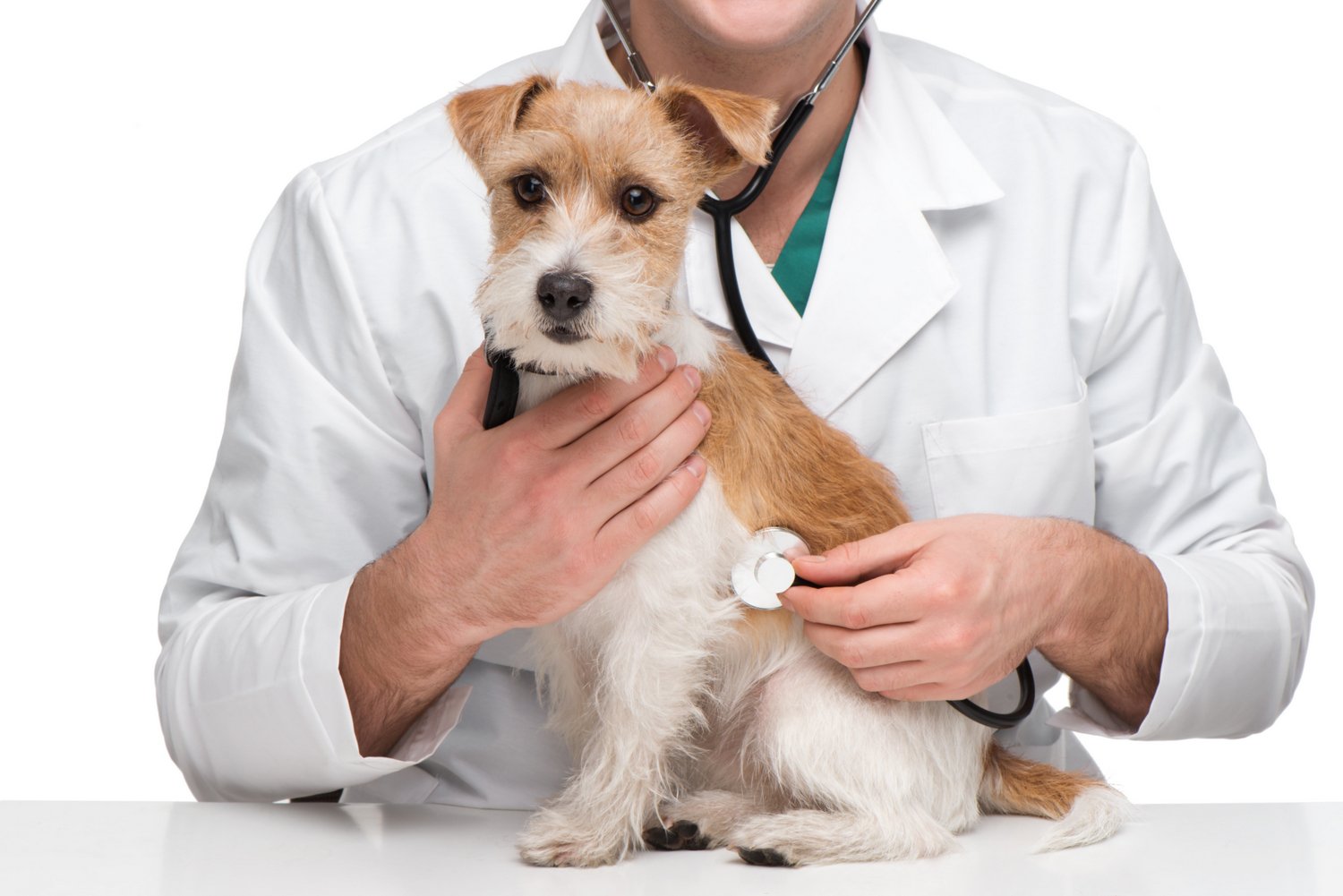
In the absence of treatment, primary and predisposing causes contribute to the appearance of secondary factors: changes in the microflora, otitis media, changes in the skin lining the ear, up to cartilage damage. The clinical picture of otitis media can be serous, purulent, catarrhal or mixed. At the initial stage of the disease, the symptoms do not appear in any way. Over time, the pet may feel depressed and lose its appetite. There is a slight increase in body temperature (by 0.5-1 degree). Small breeds of animals rub their ears with their paws. If your pet often tilts his head to the side and shakes his head, you should immediately consult a doctor. Diagnosis of otitis media Before prescribing treatment, the veterinarian examines the pet and prescribes diagnostic procedures: cytological examination of the ear canal, examination to identify ectoparasites and their eggs, otoscopy, histological studies of the volumetric formations of the ear. If you suspect signs of otitis media in your pet, contact the Drug clinic. Our veterinarians will carefully examine the pet, make an accurate diagnosis and prescribe effective treatment.
Мы в соц сетях



Attention!
Promotion!
When you sign up through the website, you get a 10% discount on all services!
Sign up©Copyright All rights reserved 2026.
 English
  Russian